
Atlas Expands Solar Capacity to 850 kW at Atlas Processing Mills
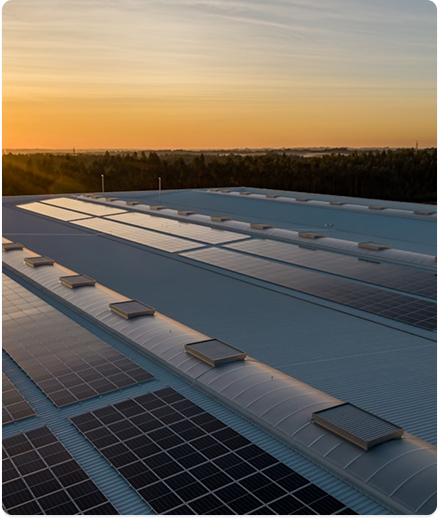
Atlas Group has successfully expanded its on-site renewable energy infrastructure, increasing the total solar power capacity at Atlas Processing Mills to 850 kW. This strategic enhancement strengthens our long-term Environmental, Social, and Governance (ESG) roadmap and reinforces our commitment to low-carbon manufacturing.
The expanded solar installation directly supports energy decarbonization within our wet processing operations — one of the most energy-intensive segments of textile manufacturing. By increasing renewable energy integration at the source of production, Atlas continues to transition toward climate-responsible operations aligned with global sustainability expectations.
The upgraded system was ceremonially activated by our Managing Director, Mr. N. Senthil Prasath, symbolizing Atlas’s continued investment in sustainable infrastructure and future-ready manufacturing.
Renewable Energy Performance & Environmental Impact
Total Installed Solar Capacity at Atlas Processing Mills Unit: 850 kW
Expected Summer Generation: 3,300–3,700 kWh per day
Estimated Annual Generation: Approx. 1.1–1.3 million kWh
Estimated CO₂ Emission Reduction: 2.7–3.0 metric tons per day
Annual CO₂ Reduction Potential: ~1,000 metric tons
Emission Factor Applied: 0.82 kg CO₂ per kWh
The expanded system significantly reduces reliance on grid electricity and lowers Scope 2 greenhouse gas emissions. The carbon savings achieved through this initiative contribute directly to our climate mitigation strategy and support measurable reductions in energy-related emissions intensity.
Strategic ESG Alignment
The solar capacity expansion aligns with Atlas’s broader sustainability framework, including:
✔ Increased renewable energy share in total energy consumption
✔ Improved carbon footprint performance indicators
✔ Enhanced resilience against energy volatility
✔ Stronger alignment with buyer sustainability benchmarks
✔ Support for science-based climate action pathways
As global brands increasingly prioritize decarbonized supply chains, renewable energy integration has become a key performance indicator in responsible sourcing assessments. This expansion strengthens Atlas’s position as a preferred manufacturing partner for sustainability-driven retailers.
Committed to Responsible Manufacturing
Renewable energy adoption is a core pillar of Atlas’s environmental stewardship strategy. Alongside water recycling systems, chemical management under ZDHC protocols, and resource efficiency programs, solar integration forms part of a holistic approach to sustainable textile production.
By embedding clean energy into operational infrastructure, Atlas continues to move toward:
- Reduced carbon intensity per unit produced
- Long-term climate resilience
- Transparent ESG performance tracking
- Continuous improvement in environmental metrics